Somebody taught
you this.
Your turn.
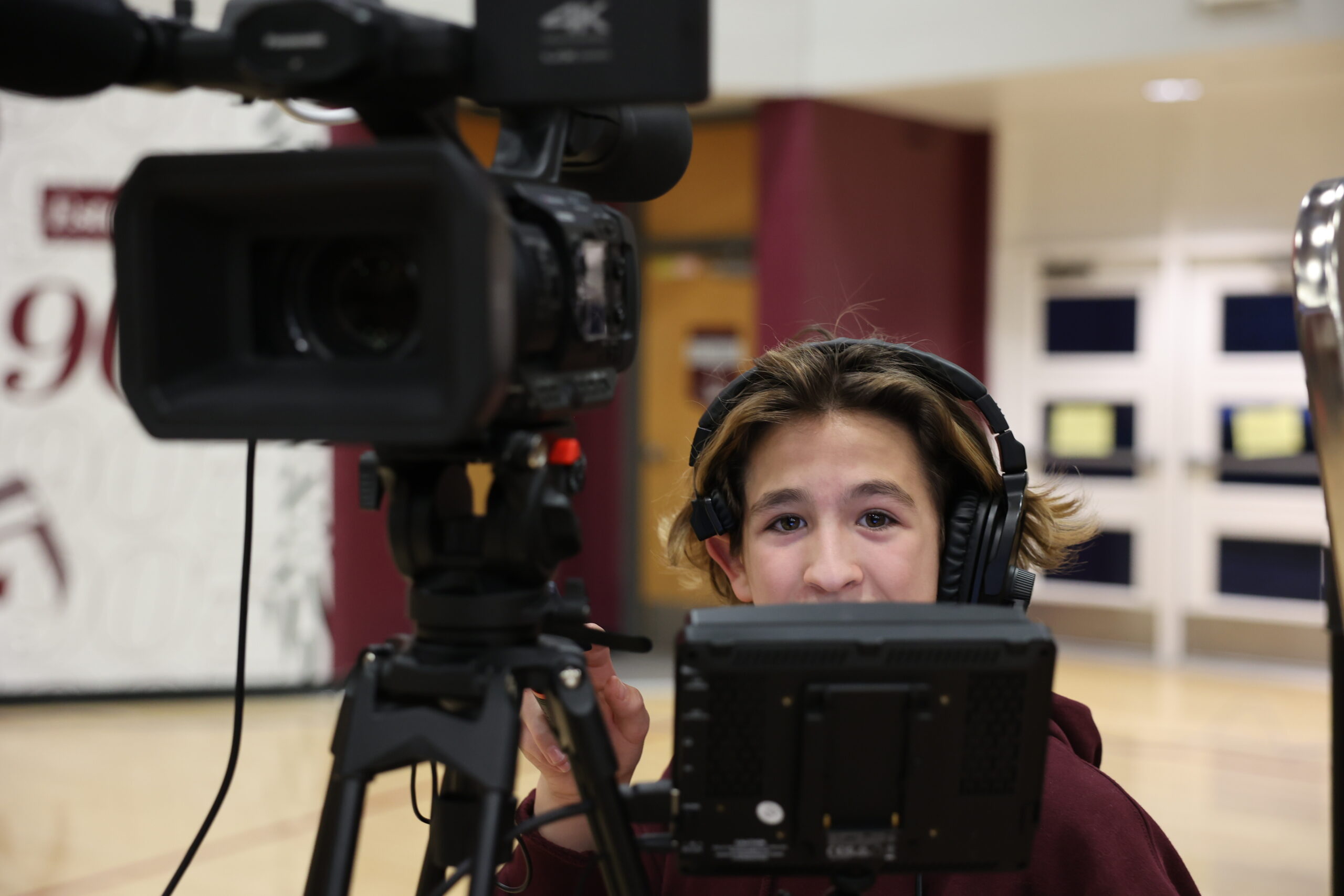
Canyons School District is hiring someone to lead the Digital Media Production pathway at the new Innovation Center — a working production house where students pitch, produce, and deliver real work for real clients across broadcast, video, and social. You'd start a full year before they do.
The studio opens in 2027. You start in 2026.
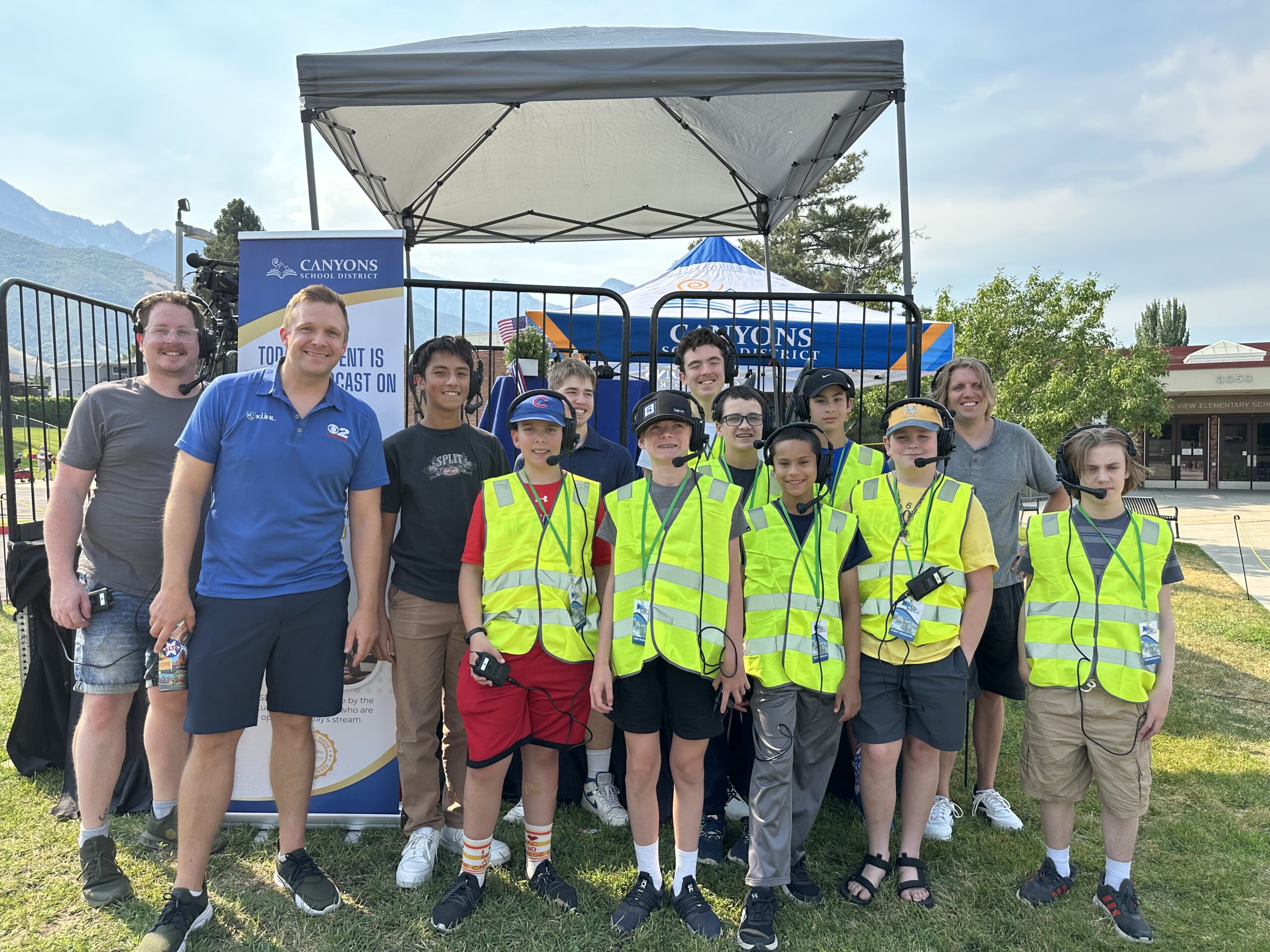
A full year before a single student walks in — and not as a holding pattern. You'd spend it embedded inside CSDtv on live productions, teaching the weekly student evening class, and helping plan the studio you're going to run, building the pathway around what you learn.
You're a creative director,
not a lecturer.
Students pitch, produce, and deliver for real clients. You run pitch sessions, review cuts, direct on set, and make the final approval call before handoff. Lesson design starts with a deliverable, not a worksheet. Class time is production time, and capstones end in public screenings and broadcast premieres.
You're teaching content
as a business, not a hobby.
The pathway includes content creation and social media production coursework — taught the way it actually works for a client. Brief, strategy, production, delivery, performance. Students learn to make content that has to do a job for someone paying attention to whether it did. Staying current on platforms, algorithms, trends, and creator culture is a listed duty, because a curriculum for this industry goes stale in a quarter.
A degree is preferred.
Experience is considered.
The posting reads: "Bachelor's Degree preferred, industry experience will be considered." Years in broadcast, video, film, or a related creative field are weighed alongside credentials. And Utah's Associate Educator License lets qualified professionals teach while completing licensure.
What the work
actually looks like.
Running the client work
- Coach students through the full client cycle — intake, production, revision, delivery, debrief
- Run pitch sessions and review scripts, treatments, and edits
- Direct on set and make the final call before handoff
- Facilitate capstones with public exhibitions and broadcast premieres
Building the bench
- Teach content creation and social media production as client work, not as a hobby
- Coach students on brief, strategy, delivery, and what performance actually means
- Stay current on platforms, algorithms, trends, and creator culture so the curriculum keeps up
- Teach the craft — camera, lighting, audio, editing, color, mix
Running the shop
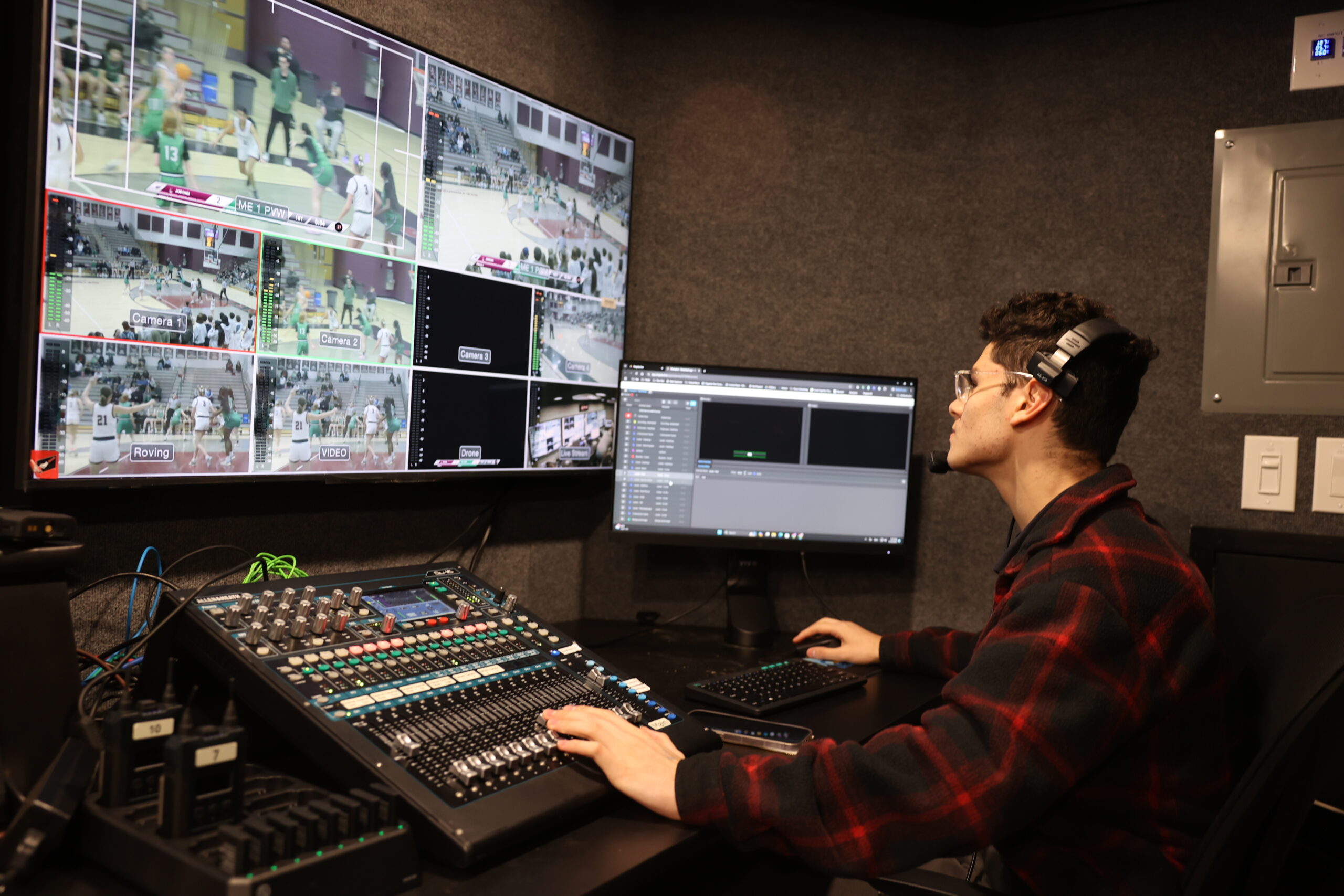
- Operate broadcast gear, livestream infrastructure, and industry-standard software
- Work with social and AI-assisted production tools
- Own responsible inventory management
- Support partnerships with production companies, broadcast outlets, and agencies
It is still, legally and actually, a teaching job. Alongside the production work there are parent conferences, PLCs, standardized testing, attendance policy, and CTESS evaluation. We'd rather you know that now than find out in October. The full posting lists every essential function.
Two years.
Three phases.
The design year
Build curriculum and frameworks. Help plan the studio and production spaces. Embed with CSDtv, teach the weekly student evening class, and support district events and livestreams.
Doors open
The Innovation Center opens in the former eBay headquarters in Draper. The studio you helped spec goes live, and the first cohort walks in ready to work.
You run the pathway
Real clients, real deadlines, real deliverables, across broadcast, video, and social. You direct. Students crew.
A former eBay
headquarters.
The Canyons Innovation Center is a retrofit of the old eBay regional HQ in Draper, backed by a state Catalyst Center Implementation Grant. Built around profession-based learning, where students work with industry partners on real projects.
The broadcast studio is being built to professional specs — and you'll be in those equipment and workflow conversations during your design year.
The questions
people ask first.
"I don't have a teaching license."
Then start here, not with the application. Apply for an Associate Educator License on the USBE licensing page. Proof of an AEL — or proof you submitted the documentation to USBE — is required before you're added to the candidate pool. Licensing questions go to shawnda.moss@canyonsdistrict.org.
"How much of this is social vs. broadcast?"
Both, and the social side is taught as a profession. Students deliver across broadcast, video, and social for real clients — learning how content gets briefed, made, and judged in a business, not how to go viral. If you think of social as beneath the craft, this isn't the role. If you've made a living at it, you already know what to teach.
"What does it pay?"
Licensed Salary Schedule, Lane 186, with credit for relevant industry experience. The schedules are public — look up the numbers. A 186-day contract with summers, full family benefits, and Utah Retirement Systems eligibility come with it.
"I've never taught teenagers."
That's the part everyone worries about, and it's the part we know how to support — the design year, the CSDtv team, and coaching through the licensure pathway. What can't be trained is knowing how a production actually runs. That's what we're hiring for.
Build the thing
you wish you'd had
at seventeen.
One step first. If you don't hold a professional teaching license, apply for an AEL with USBE before or alongside your application. Proof is required before you enter the candidate pool.
The full job description and requirements live on the district posting.